
Uncategorized
Complete Guide of High Speed Steel
High speed steel holds its cutting edge near 600°C, far above the point where plain carbon tool steel softens. That property keeps HSS steel in

High speed steel holds its cutting edge near 600°C, far above the point where plain carbon tool steel softens. That property keeps HSS steel in
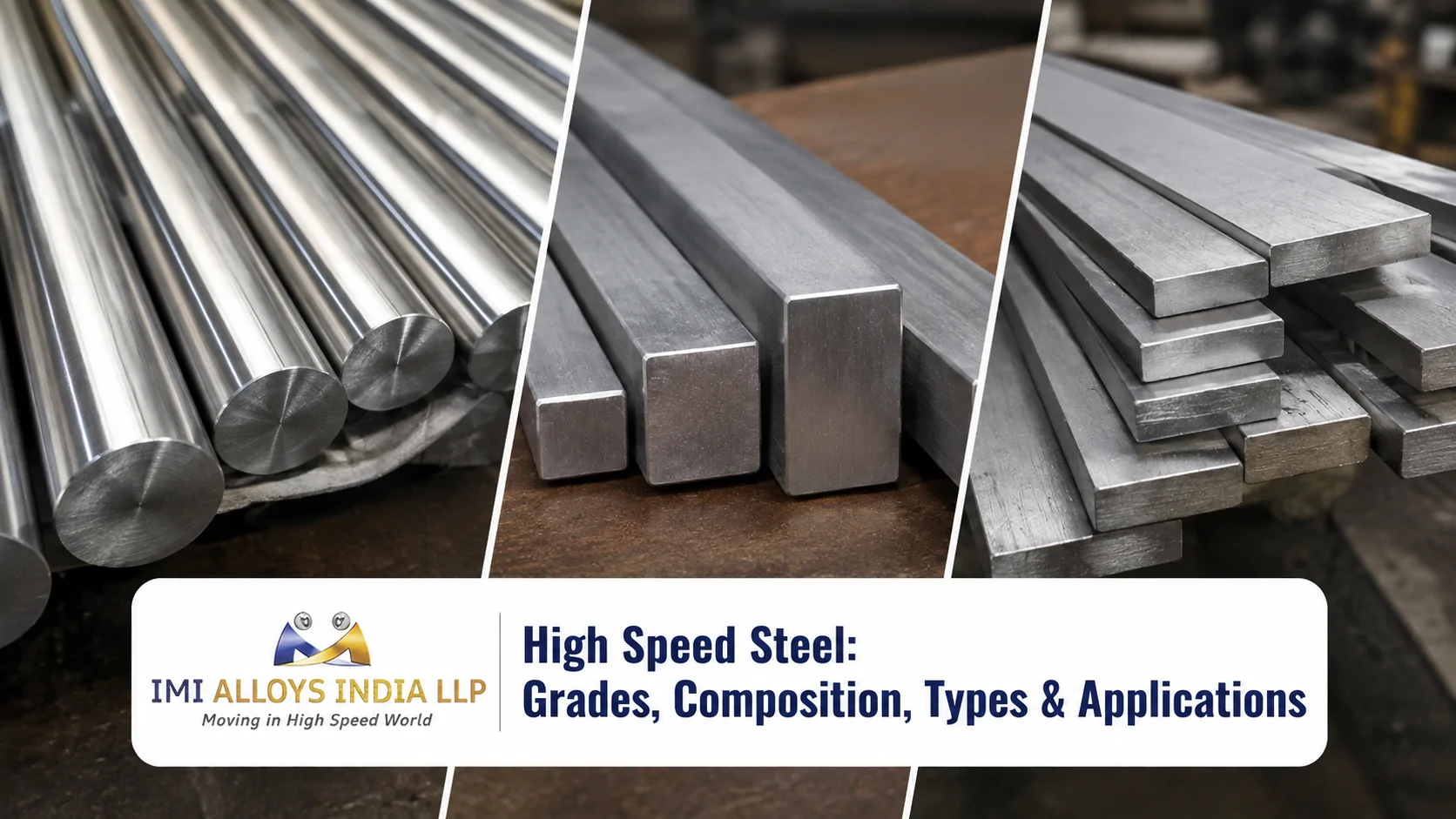
Selecting the wrong tool steel for a high-impact application costs far more than the price difference between grades. A punch that High Speed Steel is

Introduction Selecting tool steel for demanding industrial tooling means balancing four properties at once: wear resistance, toughness, hardness, and hot hardness. No single grade maximizes
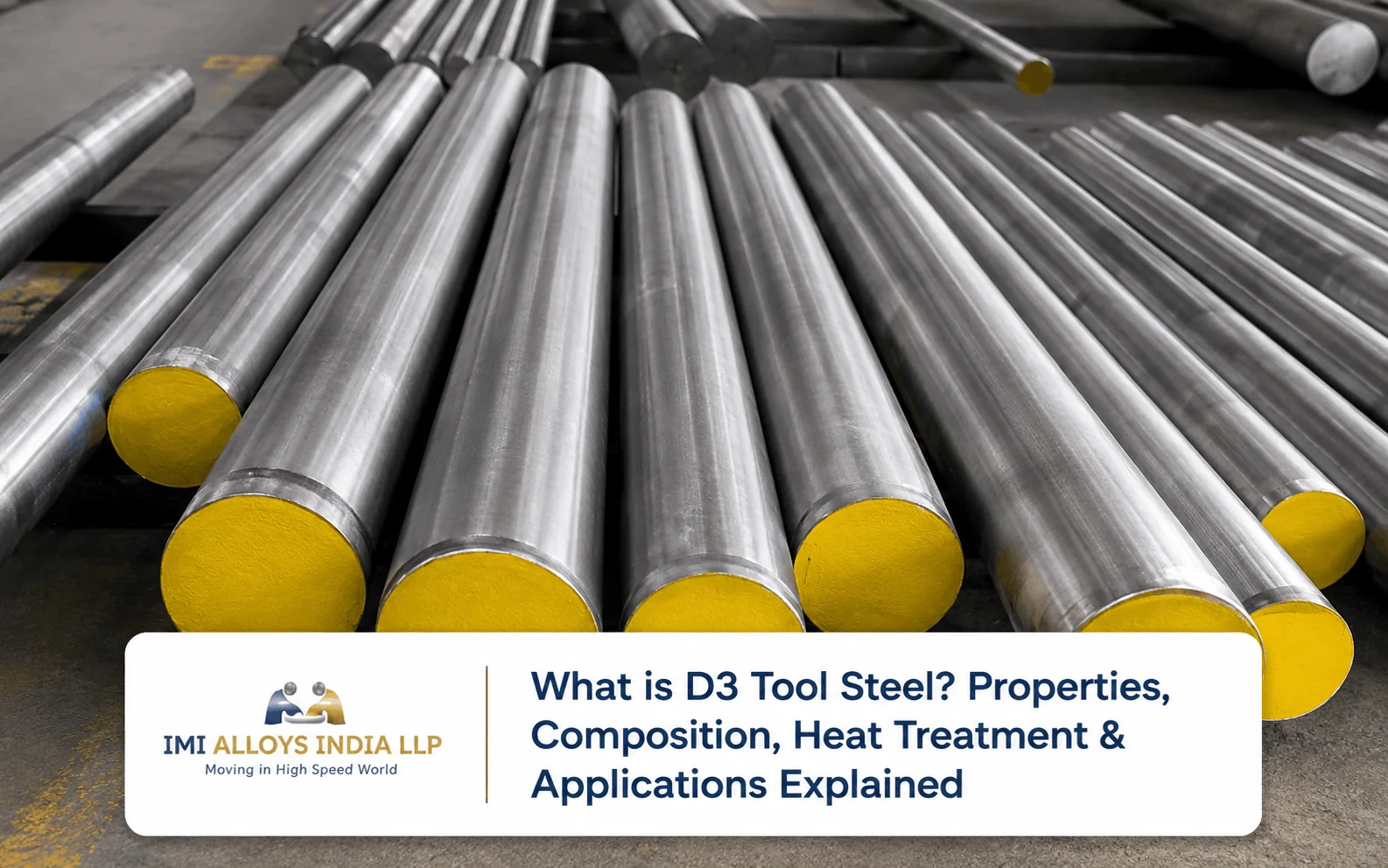
D3 tool steel earns its place on the shop floor through one quality above all else: it survives abrasive contact far longer than ordinary die
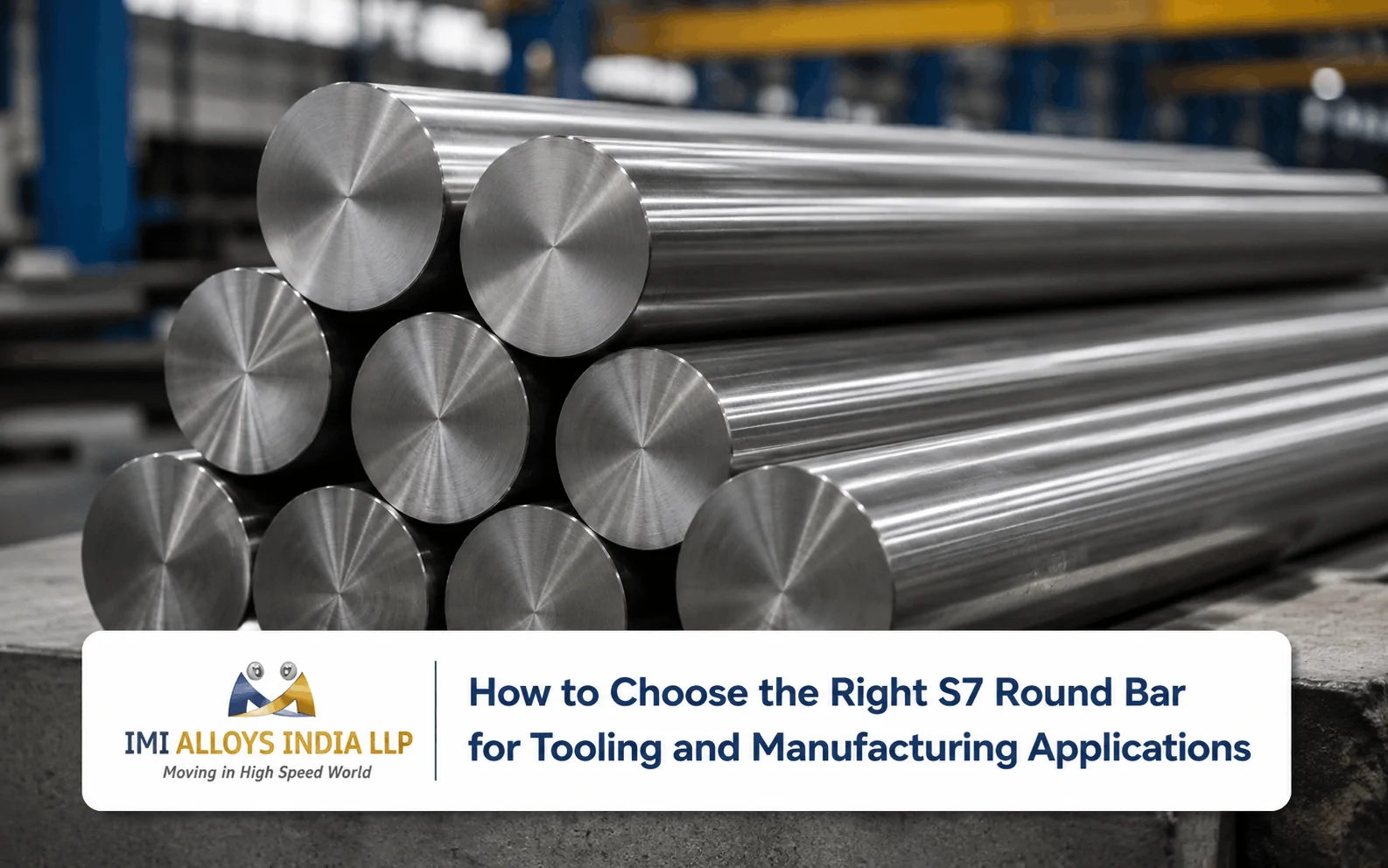
Shock-resistant tool steel decides whether a punch survives ten thousand cycles or fails at three hundred. S7 round bar is at the center of that
In modern manufacturing, there is a constant pressure on the cutting tools. Machines run at very high speeds to meet production targets, which creates a
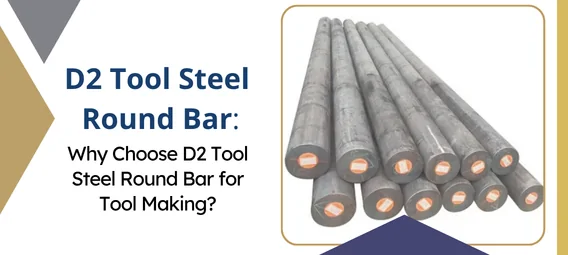
Incorrect tool steel leads to faster wear, dimensional issues, and higher replacement costs. Tool making has specific demands: hardness, wear resistance, tight tolerances and not
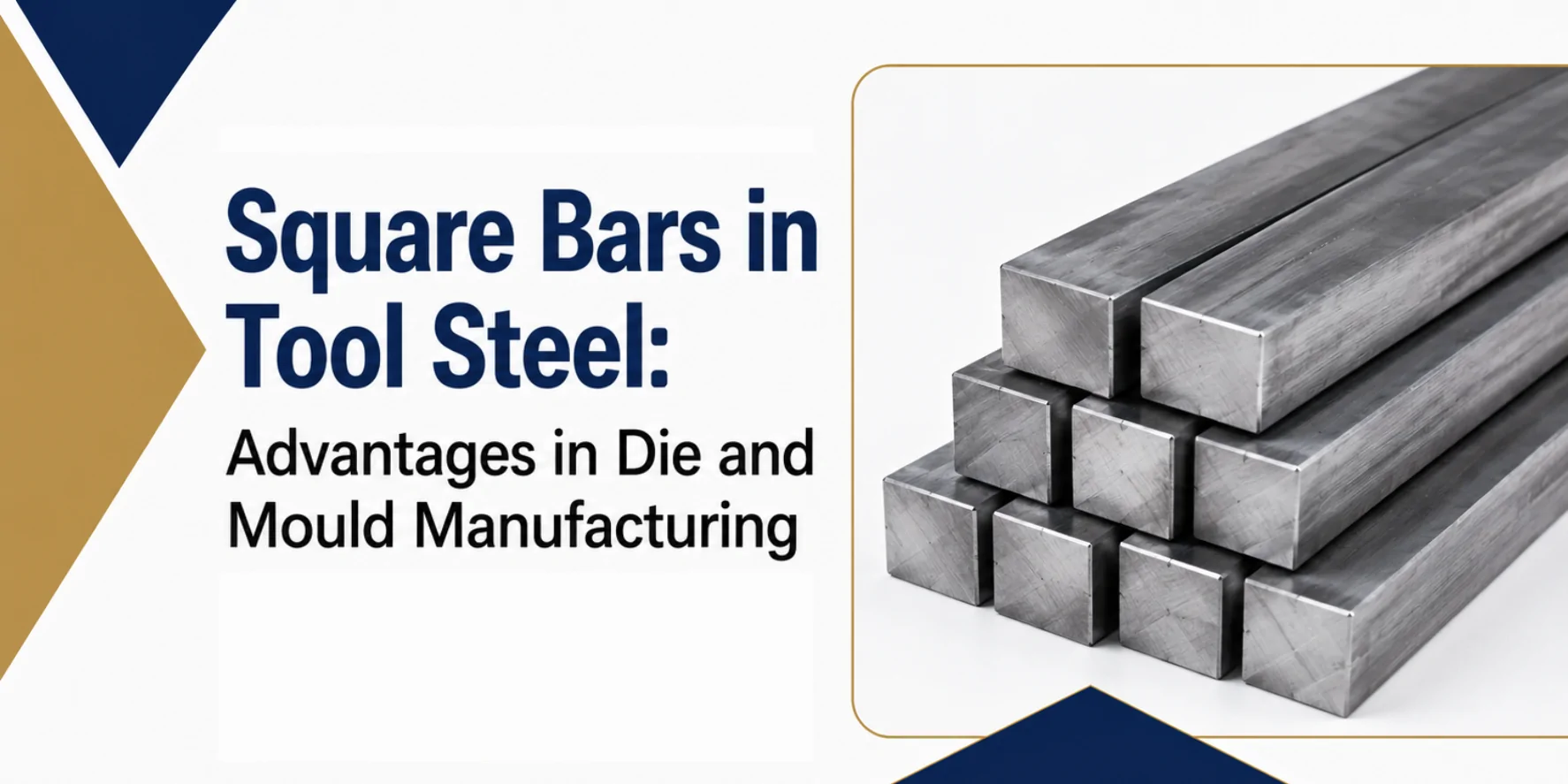
Tool steel square bars are commonly used for die and mold manufacturing. Since the shape of the raw material directly impacts dimensional accuracy, machining stability
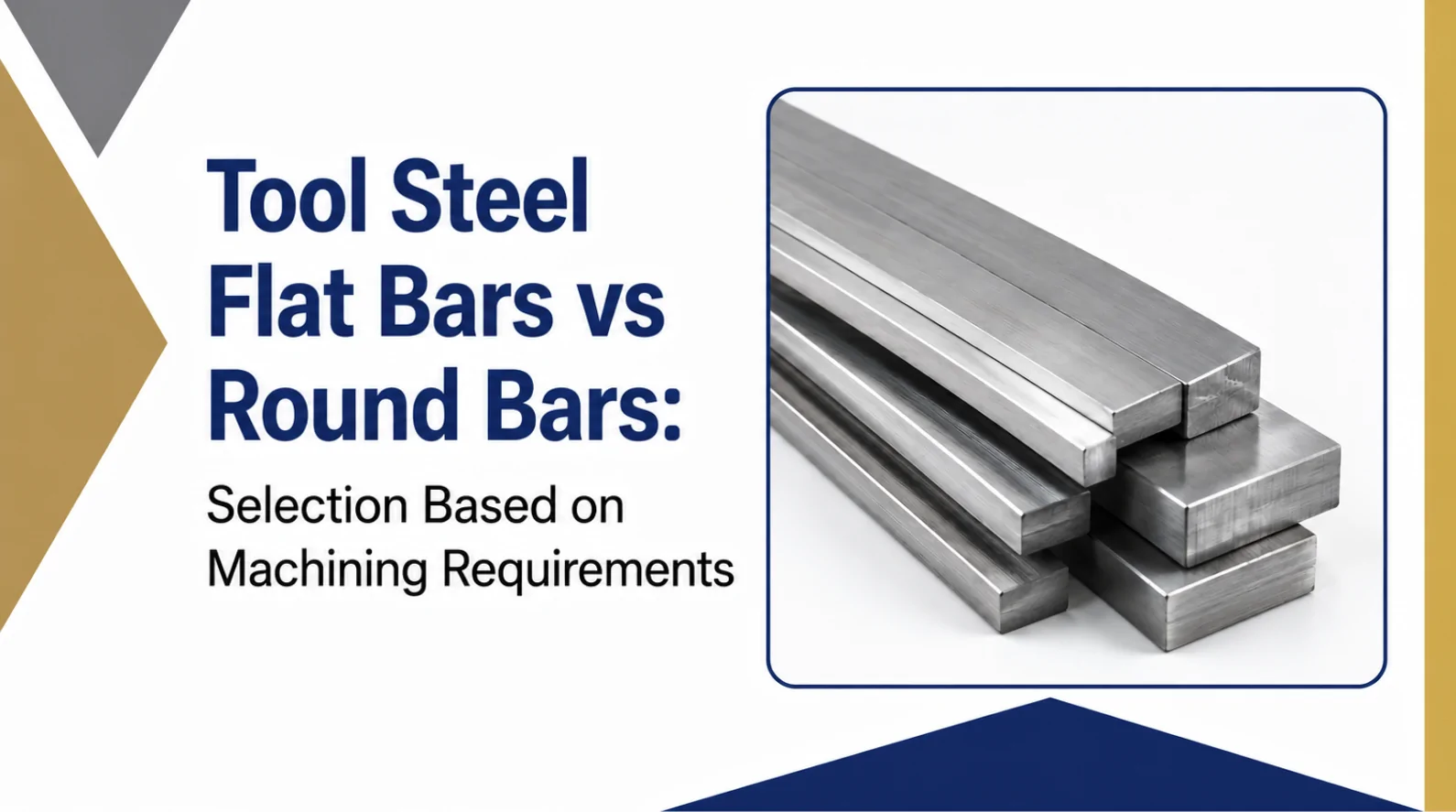
Raw material geometry affects every stage of the machining process. Setup time, cutting tool selection, material waste, and finished component accuracy all shift depending on
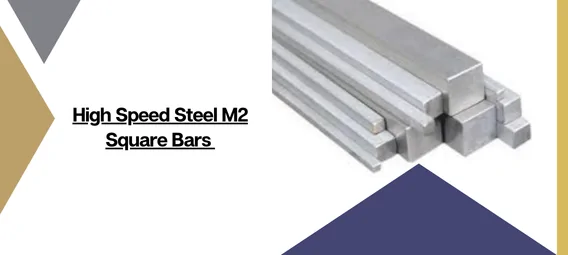
Importance of High-Speed Steels in Modern Manufacturing The manufacturing industry is a fast-paced industry. Factories today always need to be more accurate and make things


