Evolution of High-Speed Steels in Modern Machining
Hobbies and modern machining require tools that last longer, cut faster, and maintain close tolerances. As production speeds increase, tool steels experience more heat, stress, and wear. For decades, regular high-speed steels worked effectively in the industry, but they seem to have limitations when cutting really hard materials. Short tool life, uneven wear, and edge failure affect output and cost. To meet higher expectations, powder metallurgy high-speed steels entered the picture. These grades offer better structure control and stable performance. ASP2052 Round Bars Exporter stands out among them due to its combination of hardness, toughness, and heat resistance. This blog explains how ASP2052 differs from traditional high-speed steels, compares manufacturing routes, features, and performance, and discusses where each material excels in real-world machining.
What Is ASP2052 High-Speed Steel?
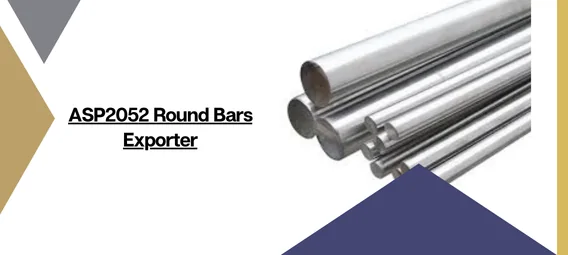
ASP2052 is a high-alloy powder metallurgy (PM) high-speed steel that has been specifically designed to be used for demanding cutting tools. Unlike traditional steels, the PM process breaks down molten metal into thin droplets that solidify into powder. This powder is then compacted under tremendous pressure to create a dense, uniform solid. This approach eliminates the possibility of huge, brittle alloy clumps, which commonly plague traditional metals. Most shops use this material as round bars for manufacturing complex tools like hobs, and specialized drills. As it contains high quantities of tungsten, molybdenum, and cobalt, ASP2052 retains its shape and sharp edge even when temperatures increase. It is the go-to choice for high-performance tooling where failure is not an option.
Overview of Conventional High-Speed Steels
Conventional high-speed steels (HSS), such as M2, M35, and T-series, have been used in industry for decades. These materials are manufactured by the classic ingot metallurgy technique, in which molten steel is poured into massive molds to cool. While this process is affordable, it often results in “carbide segregation,” in which the alloying elements cluster unevenly. These steels perform well in general-purpose drilling and milling applications with modest speeds. On the other hand, when applied to more robust workpieces, they often fail to prevent chipping or quick dulling. Their low wear resistance and toughness require more regular sharpening and replacement than modern equivalents.
Manufacturing Process Comparison: PM vs Ingot Metallurgy
The manufacturing route shapes how a tool steel behaves in service. The difference between powder metallurgy and ingot metallurgy is clear at the micro level.
- Powder metallurgy process used for ASP2052: This process uses gas atomization to turn liquid metal into a fine, consistent powder before pressing it into a solid form. This ensures every millimeter of the steel has the same mix of alloys.
- Uniform carbide distribution and refined microstructure: Because the powder is so fine, the resulting microstructure is incredibly refined and even. This lack of “weak spots” makes the steel much stronger during heavy cutting.
- Ingot metallurgy process in conventional HSS: Molten metal cools slowly in large blocks, allowing heavy elements to sink or clump together. This creates a coarse structure that can lead to cracks under high stress.
- Impact of manufacturing methods on tool performance: PM steels like ASP2052 allow for faster speeds and feed rates because the material is predictable. Traditional HSS tools are more likely to fail unexpectedly due to these internal structural flaws.
Chemical Composition and Microstructural Differences
Chemical makeup and structure define how steel cuts and wears. ASP2052 and conventional HSS differ in both areas.
- Alloying elements in ASP2052 and their role: This grade is packed with cobalt and vanadium to boost red hardness and surface protection. These elements create a shield that prevents the tool from softening at high temperatures.
- Carbide size and distribution comparison: In ASP2052, the carbides are tiny and spread out like fine sand in a block of ice. Conventional steel has large, jagged carbides that act like rocks, making the metal more prone to snapping.
- Effect on wear resistance and toughness: The fine structure of ASP2052 provides a perfect balance of hardness and flexibility. It resists abrasive wear better than M2 or M35 without becoming too brittle.
- Microstructural stability at high cutting temperatures: When the heat builds up during a long shift, ASP2052 stays stable. Conventional steels can see their internal structure change, leading to a loss of the cutting edge.
Mechanical and Thermal Property Comparison
Performance under stress and heat separates premium tool steels from basic ones.
- Hardness and red hardness performance: ASP2052 can reach high Rockwell C values and stay there even when glowing. Conventional HSS begins to lose its temper and “mush” much sooner.
- Wear resistance and edge retention: Because of the high vanadium content, ASP2052 holds a sharp corner longer. This means the tool continues to cut clean chips instead of rubbing against the metal.
- Toughness and resistance to chipping: The uniform PM structure stops small cracks from turning into big breaks. Standard steels often suffer from “micro-chipping” at the tip, which ruins the finish of the part.
- Performance under high-speed and high-load machining: ASP2052 thrives when the pressure is on and the spindle is screaming. It handles the heavy mechanical loads of modern CNC machining far better than old-school materials.
Tool Life and Machining Performance
Tool life affects cost, output, and planning. Material choice plays a direct role
- Improved tool life with ASP2052: ASP2052 tools last longer in demanding work. Stable edges reduce sudden failure. This supports predictable tool change schedules.
- Better surface finish and dimensional accuracy: A sharp tool creates a smoother surface and holds tighter tolerances. ASP2052 doesn’t deflect or wear unevenly, so the last part looks just like the first one.
- Reduced tool changes and downtime: Less time spent swapping out dull drills means more time spent making chips. This reduction in downtime significantly boosts the overall efficiency of the machine shop.
- Suitability for demanding machining applications: For hard-to-machine alloys or high-volume runs, ASP2052 is the only logical choice. It handles the “tough stuff” that would burn up a standard M2 cutter in minutes.
Applications of ASP2052 vs Conventional HSS
Both materials serve clear roles in machining operations. Selection depends on cutting load, speed, and expected tool life.
Use in milling cutters, drills, broaches, and hobs
- ASP2052 is widely used for milling cutters, broaches, and hobs that face high loads and long cutting cycles. Its stable edge and wear resistance support consistent cutting.
- Conventional high-speed steels are commonly used for standard drills, taps, and reamers. These tools operate under moderate speeds and lower cutting stress.
Industries requiring high precision and productivity
- ASP2052 is preferred in automotive, aerospace, die, and precision tool manufacturing. These industries rely on repeat accuracy, smooth finishes, and extended tool life.
- Conventional HSS finds use in general engineering and maintenance shops where cutting conditions remain controlled.
Scenarios where conventional HSS remains suitable
- Conventional high-speed steels perform well in low-speed machining and short production runs. They suit softer materials and less demanding operations.
- ASP2052 may not be required where cutting heat and load remain limited.
Cost-performance considerations
- ASP2052 has a higher initial cost due to its powder metallurgy process. This cost is balanced by fewer tool changes and longer service life.
- Conventional HSS offers a lower purchase cost and remains practical for light-duty applications with tight cost targets.
Why Choose ASP2052 Round Bars from a Reliable Exporter
Choosing the right material is as essential as the machining procedure. A reliable exporter ensures that the ASP2052 round bars comply with high metallurgical criteria and are fully certified. Consistency is the main key for a manufacturer to know that every batch will respond to heat treatment the same way. High-quality exporters provide bars with excellent dimensional accuracy, reducing the amount of prep work needed before grinding. They also understand global shipping and compliance, making sure the steel arrives on time and in perfect condition. Working with a trusted partner guarantees that the material is genuine PM steel and not a cheaper substitute.
Choosing the Right High-Speed Steel for Your Application
IMI Alloys India LLP provides the high-quality materials needed to keep modern shops running at peak performance. While conventional high-speed steels still have a place in basic workshops, the advantages of ASP2052 are impossible to ignore for high-production environments. The shift to powder metallurgy offers better wear resistance, incredible toughness, and longer tool life. By choosing ASP2052, manufacturers reduce downtime and improve the quality of every part they produce. To get the best results, always source your materials from an experienced ASP2052 Round Bars exporter who understands the needs of the tooling industry. Contact us today at IMI Alloys India LLP to discuss your tool steel needs.