
High-speed steel refers to steel with a high carbon content that is commonly used in metallurgy and manufacturing as well as construction and demolition. Cutting instruments, particularly drill bits, are commonly made with high-speed steel. If you are making tools for end-users or replacing products, here are some of the benefits of high-speed steel.
Features of High-speed Steel:
In high-speed steels, tungsten carbide is high in density and hardened.
Despite its hardness, toughness, and abrasion resistance, High-Speed Steel is the perfect material for hot-weather jobs. It is the best material for hot-weather jobs.
So this high-speed steel does not lose its edge over time due to its extremely wear-resistant properties.
Machining processes such as die casting is used by this alloy to give outstanding thermal conductivity that can stand against the high temperatures without melting away, which other metals would definitely do in the same condition.
Advantages of High-speed Steel:
Capability to work at high speeds:
It is not difficult to cut through dense materials as high speed steel is a material that has flexibility feature which helps to get through drilling process without the fear of cutting them. High-speed steel has numerous advantages, including its ability to cut through materials at high speeds. A combination of wear resistance, hardness and high-temperature characteristics of the alloy make it ideal for this application. Steels with high speeds may reach speeds up to seven times faster than their conventional alloy counterparts.
The ability to withstand wear:
An edge will most likely remain sharp for a longer period if the blade is strong. The advantage that high-speed steel has is that it retains its edge and surpasses other alloys even when exposed to high temperatures or high pressure. Wear-resistant coatings are often recommended to manufacturers for high-speed steel.
Performance at High Temperature:
Steel capable of withstanding high temperatures is one of its main advantages. Several high-speed alloys can reach working temperatures of 650 degrees, although the heat levels of each vary.
Easily machining:
High-speed steel can be manufactured very easily, which makes it the ideal material for turning and milling operations. Besides highly wearing resistant and hard, great speed steel can also be used in a variety of applications involving harsh chemicals.
In aerospace, oil, and power generation applications, high strength and pre-hardening steel, high hardness alloys, and non-ferrous super alloys may be machined with M42 High Speed Steel Round Bars as it provides features like exceptional high hardness and hot hardness.
Applications of High-speed Steel:
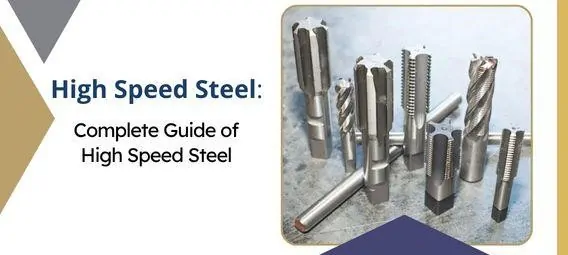
Drills, taps, screwdrivers, molds, dies, and other goods that must resist high temperatures are frequently made with high-speed steels. They may also be used to cut hard materials like ceramics and concrete.
- A metalworking drill or a machining drill.
- In threading operations, some taps are employed
- Metals and wood are drilled with borer instruments.
Cutting tools designed for high-speed operations are made from high-speed steel. The top of the material is highly hard while the core is softer. This allows it to maintain shape and elasticity under high temperatures.